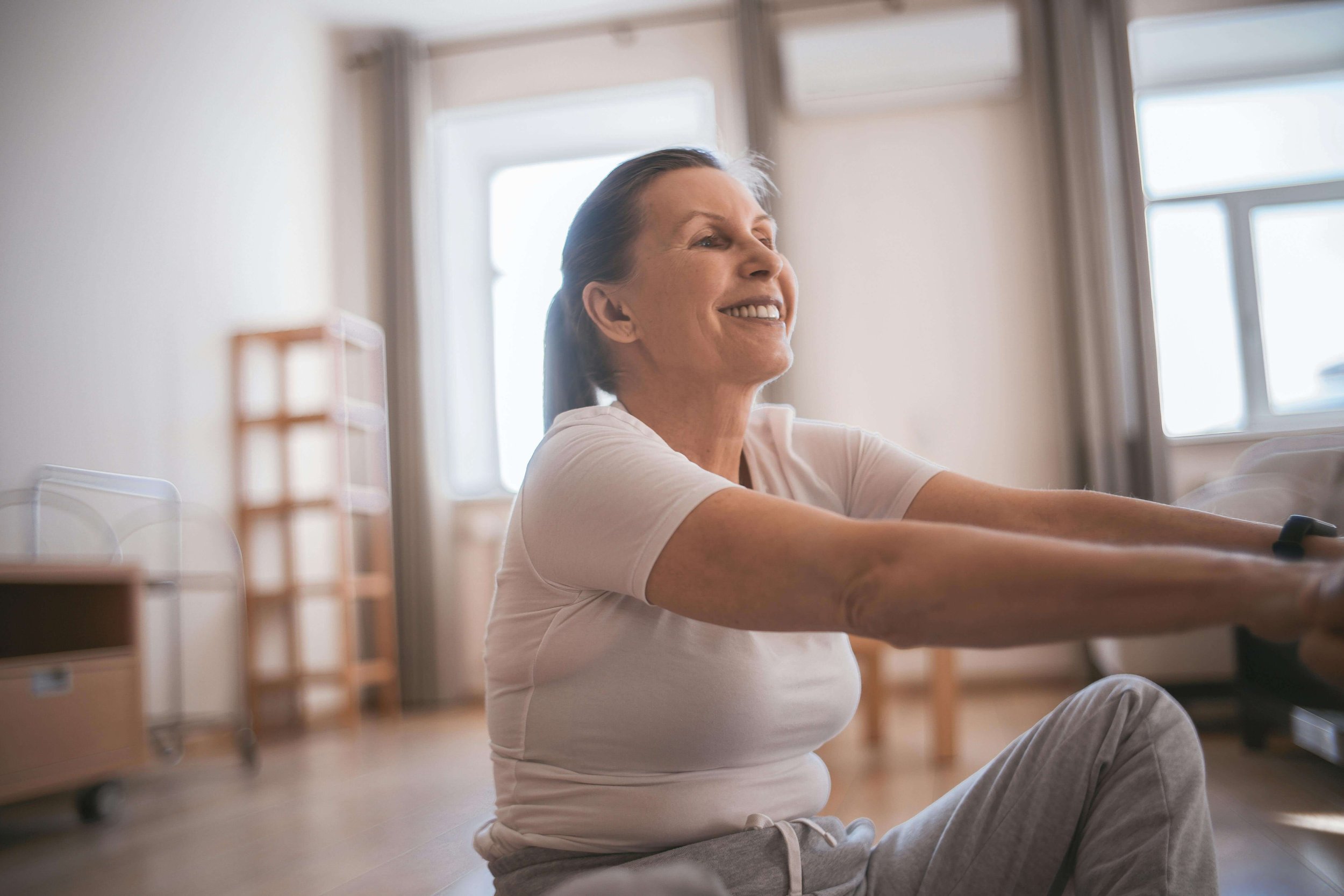
More Than Poses: Yoga for Every Stage of Life
Finding Balance, Strength and Ease Through Yoga
Yoga is not just for the fit and flexible - it is for EVERYONE
There are many branches of yoga and so many styles practiced in the West that it is not surprising that many people get confused and don't know what to expect from a class. Firstly, Yoga is not just for the fit and flexible - it is for EVERYONE: young, old, strong, weak, arthritic, healthy, unwell, happy or sad. There is no condition that cannot benefit from some element of yoga.
'Yoga' means 'Union'. It's a complete discipline that unifies body, mind and spirit, bringing a sense of harmony and wellbeing.
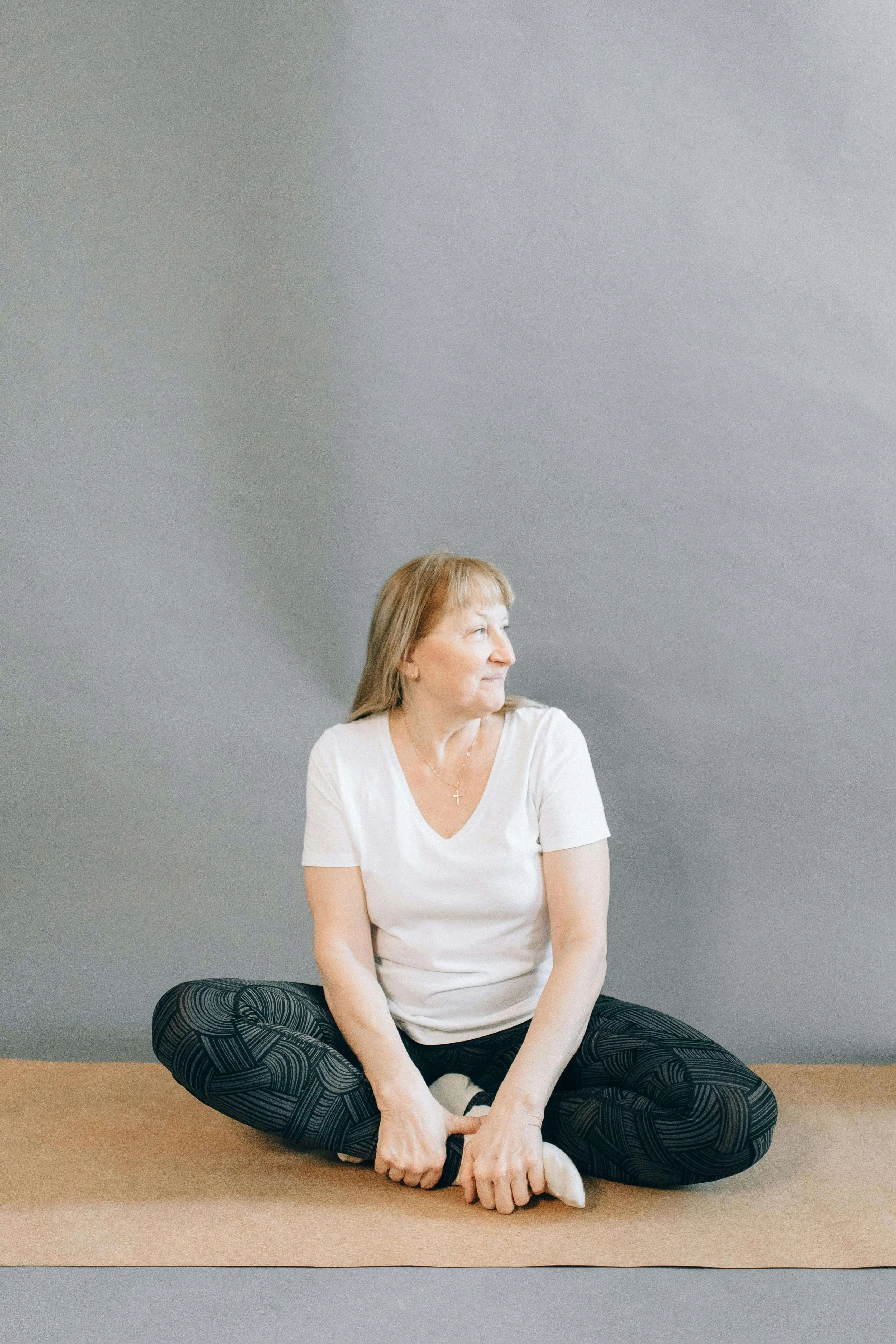
Yoga teaches we should care for ourselves, others and our environment in an appropriate way
Yoga is a philosophy that grew out of the Indus valley from teachings established over 4000 years ago, although some evidence exists that it is even older. All these teachings were brought together in a document known as The Yoga Sutras, formulated by the sage Patanjali, a little under 2000 years ago and whilst it teaches that we should care for ourselves, others and our environment in an appropriate way, it is not a religion. The teachings support all religions (or none) and can be practiced by absolutely anyone. Styles such as Hatha, Astanga Vinyasa and Iyengar yoga all follow the teachings of The Yoga Sutras or The Eight Limbs.
'Ashtanga' or 'Eight Limbs' yoga teachings include the practice of physical postures (Asana), breathing exercises (Pranayama) and meditation and you will find these elements in most classes, although the majority of yoga classes in the UK and USA will focus on asana unless stated otherwise.

The benefits of each of the three main elements found in yoga classes.
ASANA
Practicing physical postures builds strength in the muscles, creates space in the joints and improves balance. Movement and poses also benefit the circulatory and lymphatic systems to nourish and cleanse the body.

PRANAYAMA
Most breathing techniques are simple and easy to learn. Despite this the impact on the body and mind can be powerful. Managing the breath can reduce stress, anxiety and blood pressure. It can even change the chemical balance of the blood and therefore needs to be treated with respect and learned from a knowledgeable teacher.
MEDITATION
Meditation and Mindfulness are very similar. Mindfulness could be said to be the first stage of meditation, known in yoga as Dharana - complete attention of focus. Learning how to sustain focus leads to a deeper sense of peace and self understanding, slowly changing the way one feels about oneself and the world.